 9.0
9.0


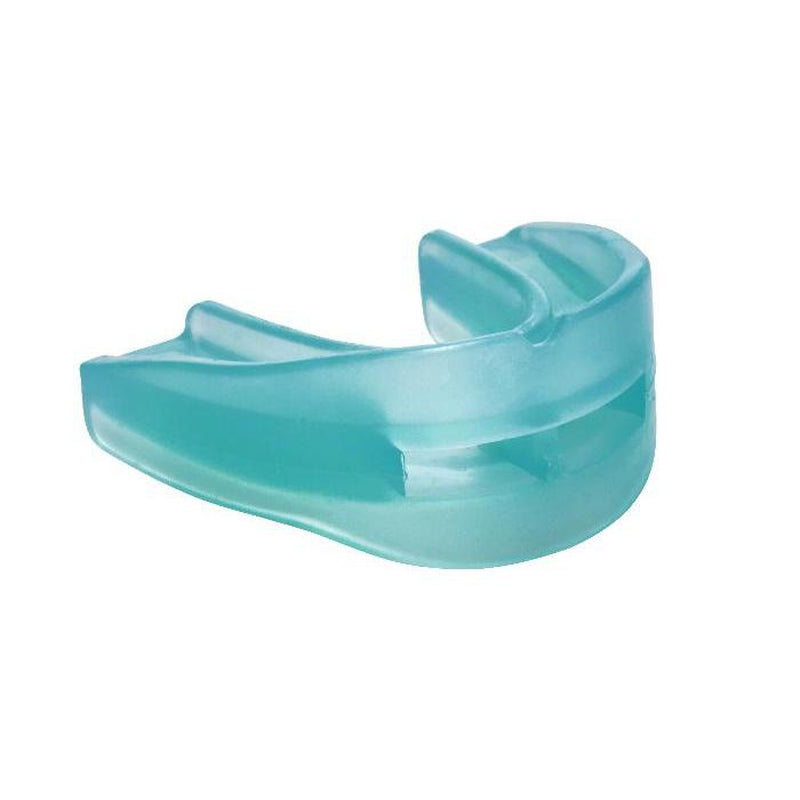
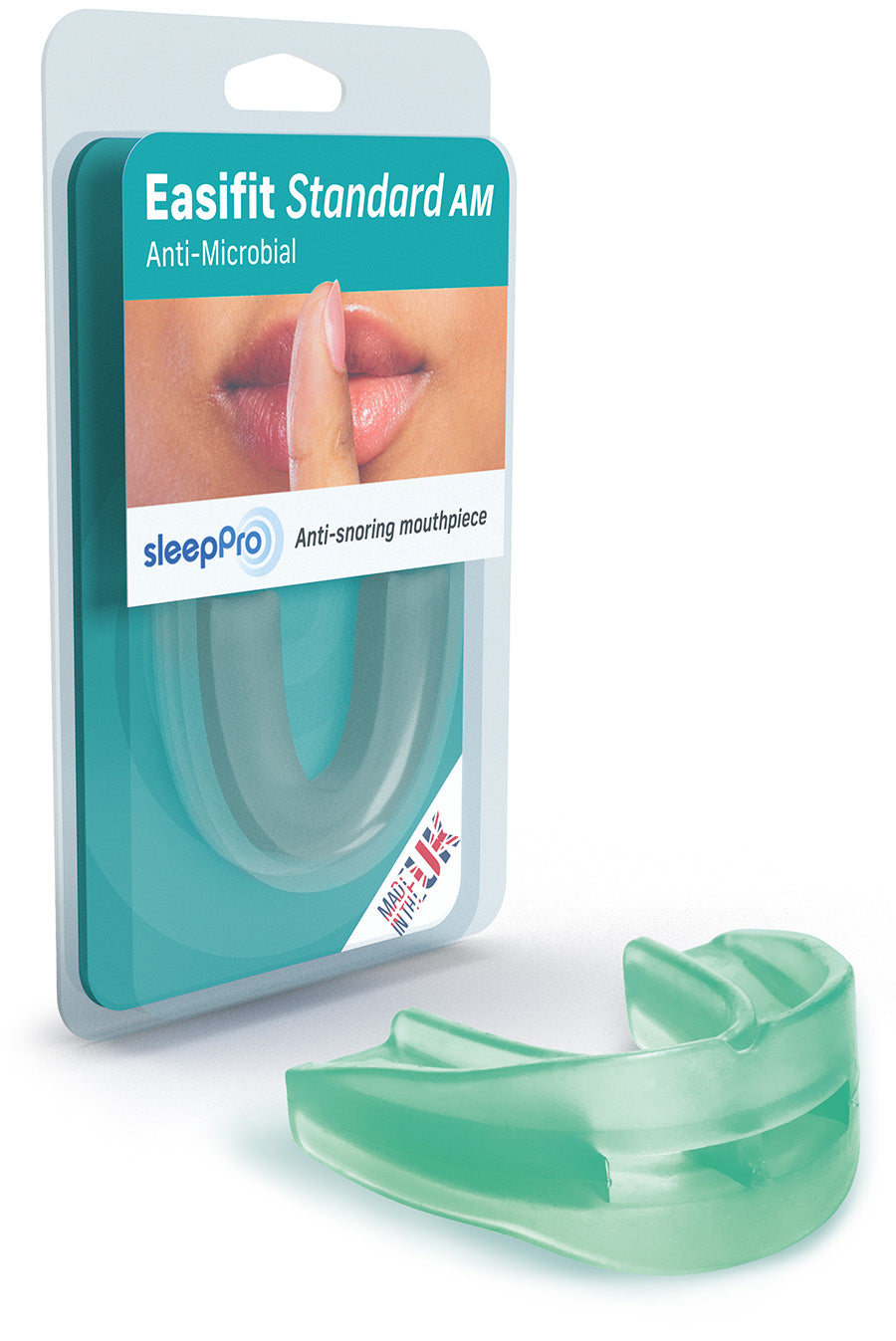
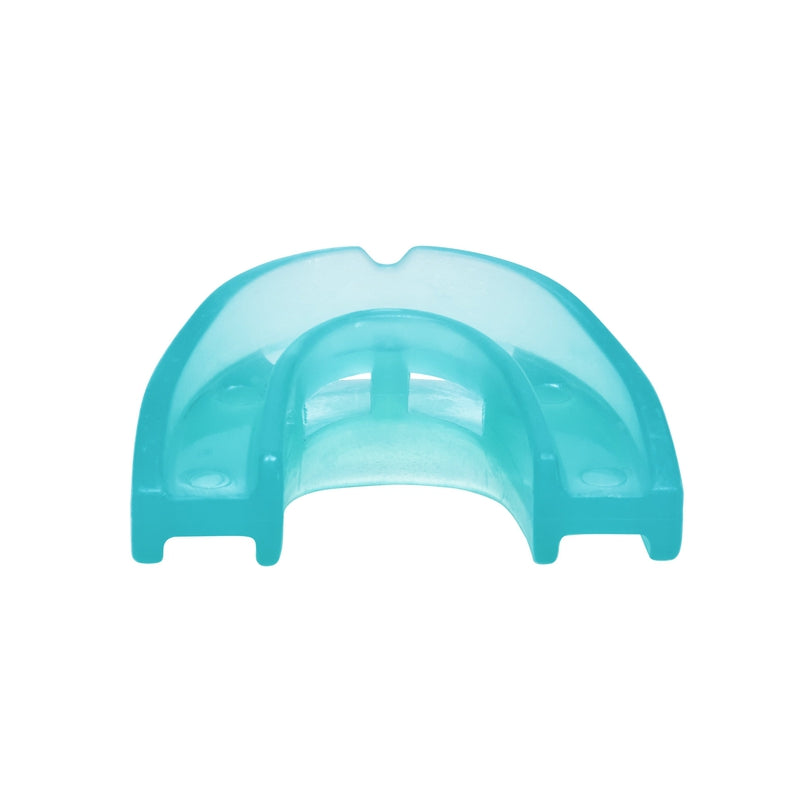
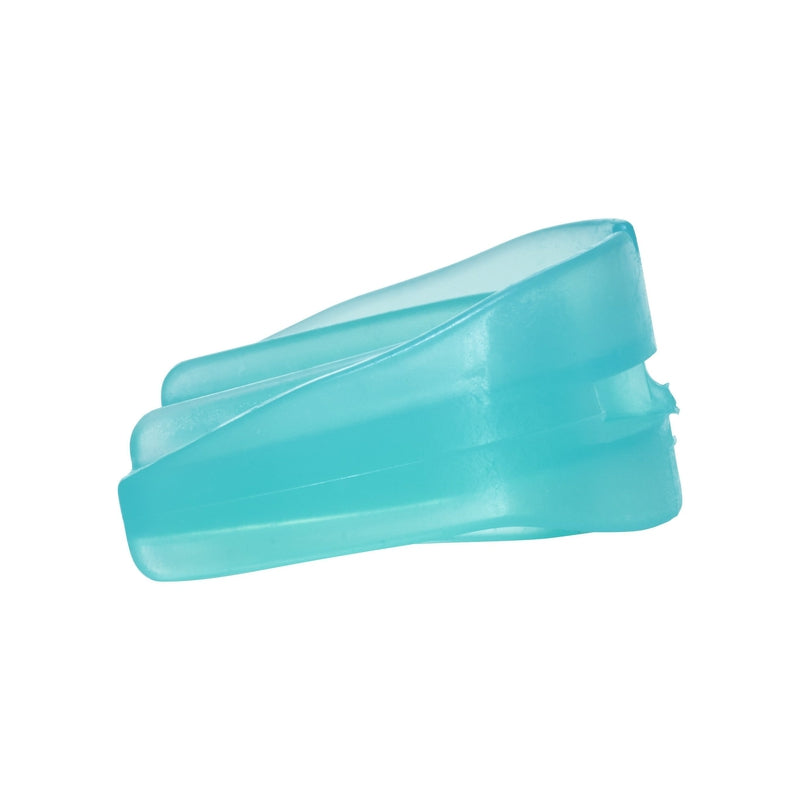
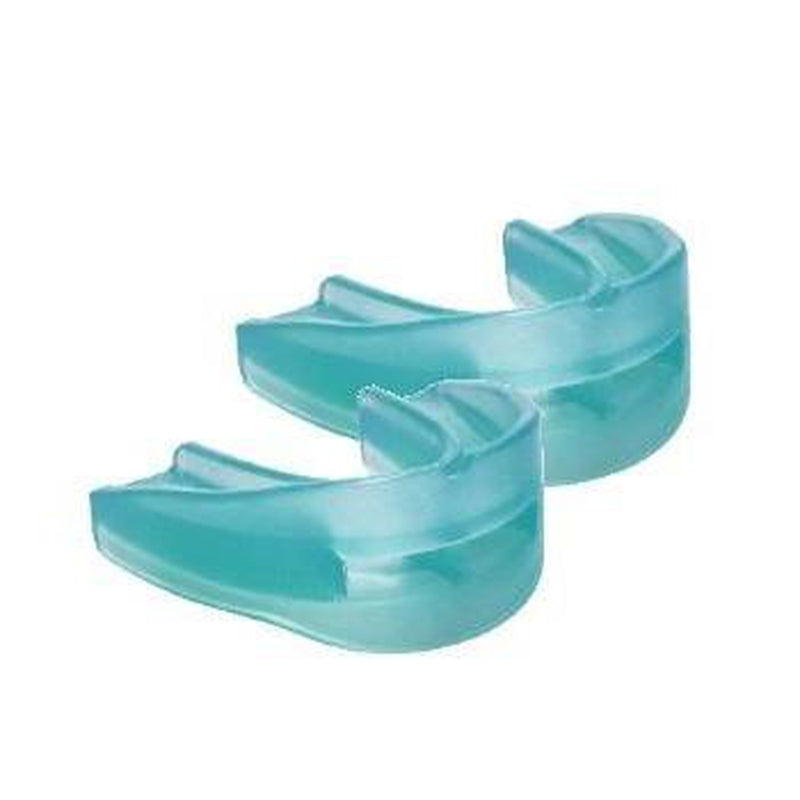

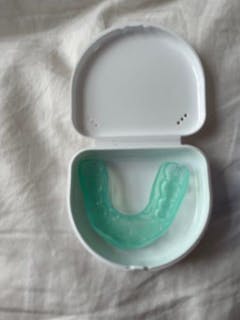
Literally changed my life. I’ve snored most of my life as I have a deep overbite. Going on holiday and sharing a room with anyone has always been a nightmare, and a strain on relationships!
I’ve used over the counter night guards for years to get by, but they were uncomfortable and placed all the weight of my jaw on my front teeth.
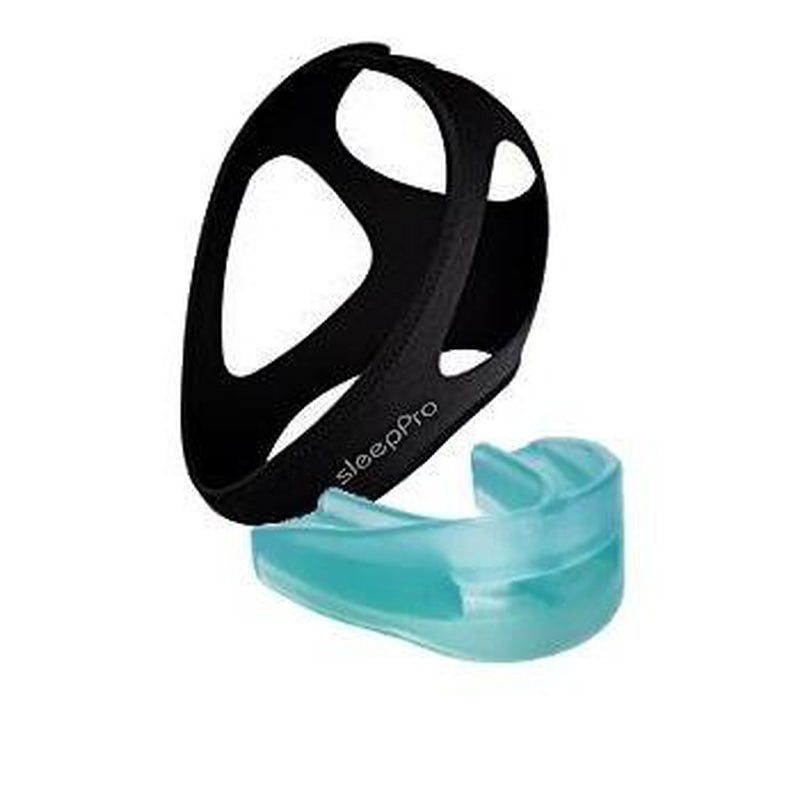
Since buying my Sleep Pro Custom AM I now have a comfortable , silent sleep. I wake up refreshed and my partner no longer has to either wear earplugs or sleep in the spare room. We can now save for our dream Campervan!
Literally life changing. Fantastic customer service too as my first guard had to be remade as my over bite is so severe.
Thank you, thank you , thank you!!!
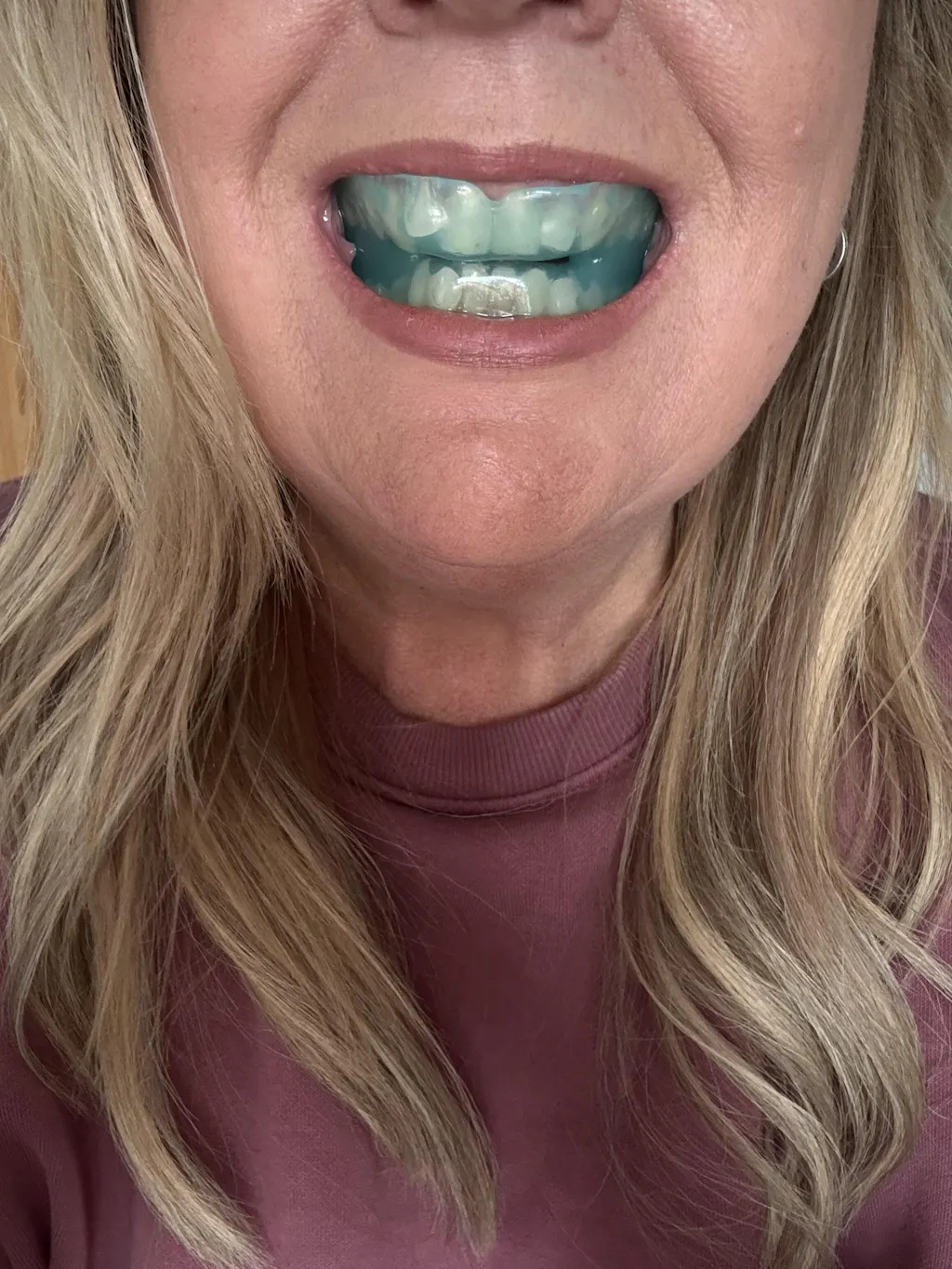
When the first set fit loosely i contacted customer service. They were very helpful and immediately began making a new mold that fit better, no fight at all, just an efficient solution.
Look great, although yet to wear as a spare, great communication throughout.